|
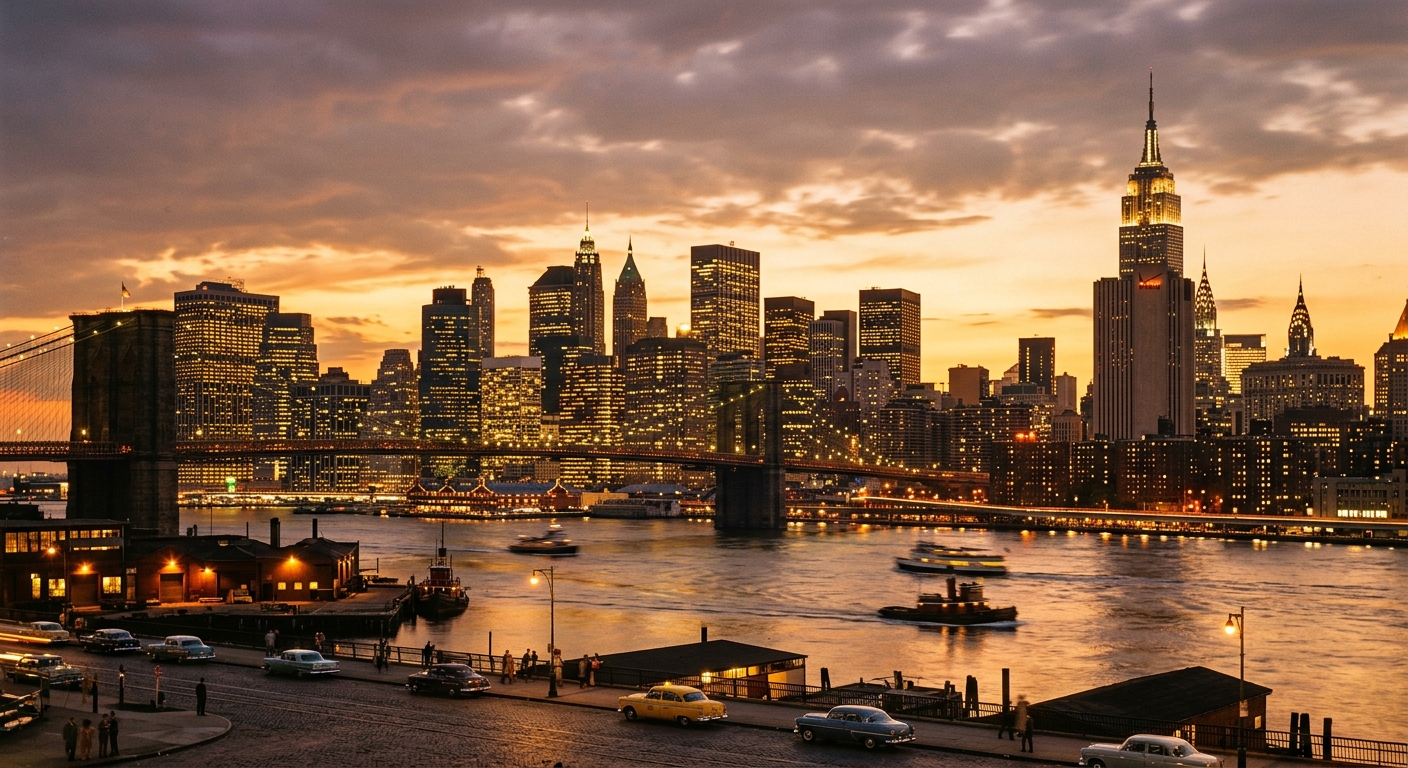
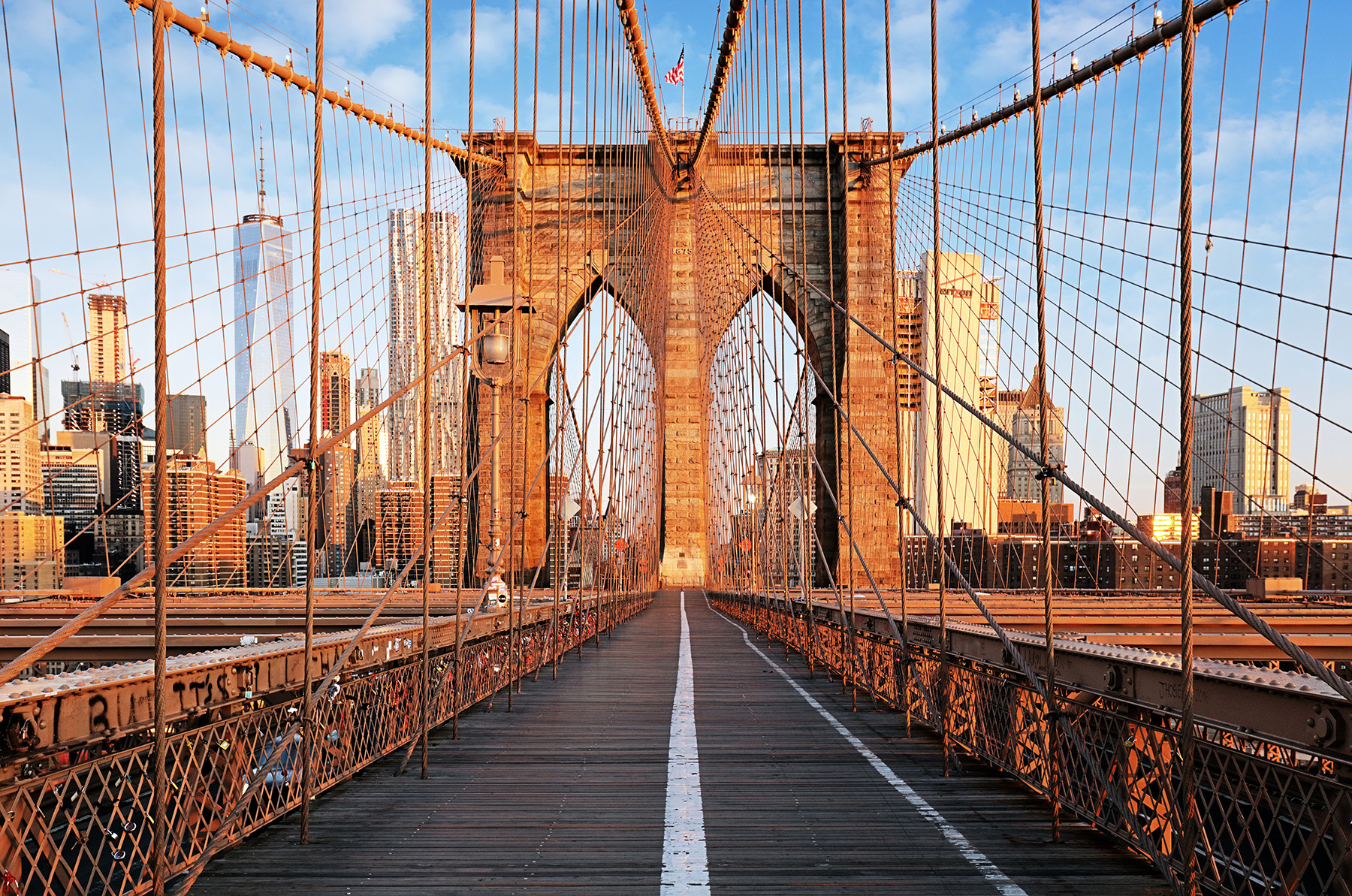
New York City skyline

EST. 1624

The Story of New York

From the Haudenosaunee Confederacy to the world's greatest metropolis — explore centuries of history, ambition, and transformation across the Empire State.

Photo: NYC Historical Archive

New York State History

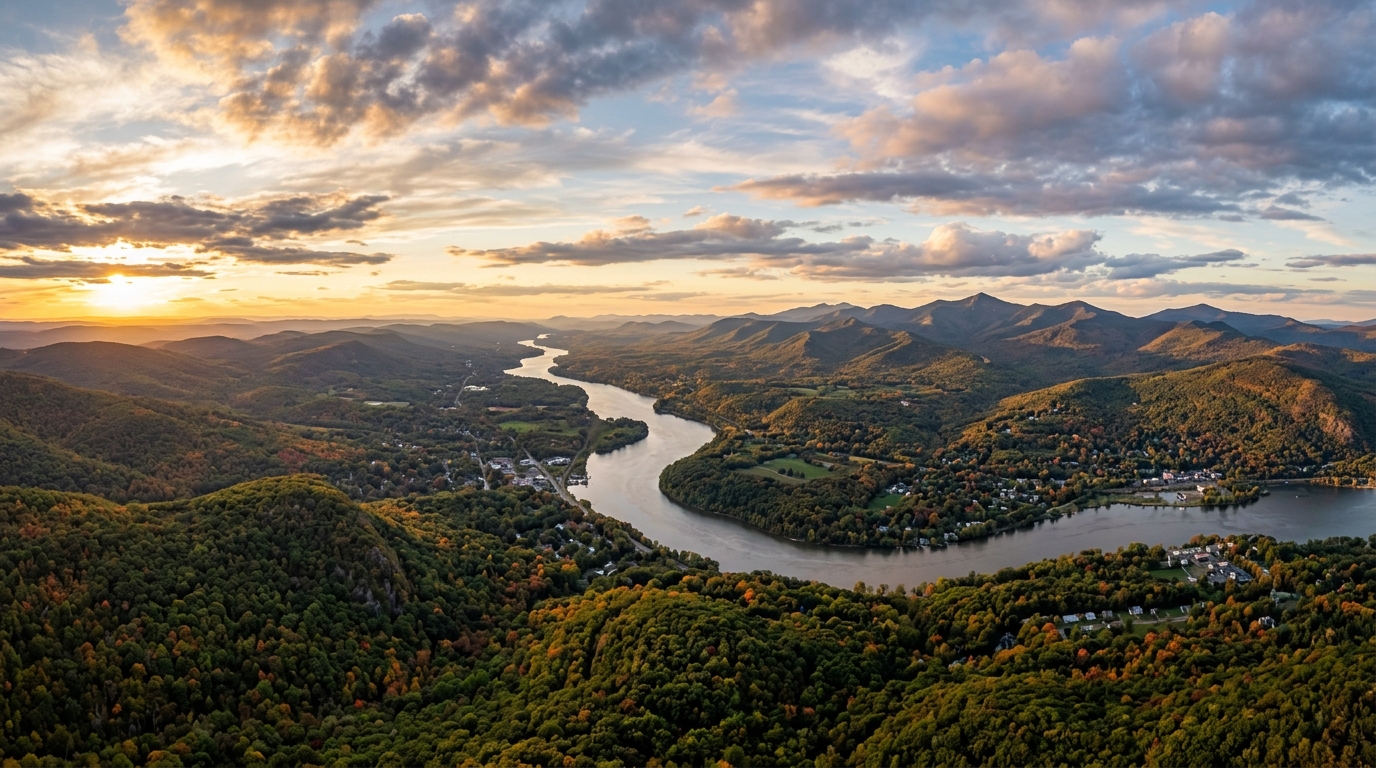
New York State landscape

THE EMPIRE STATE

New York State

Beyond the city skyline lies a vast and storied state — from the Adirondack peaks and Finger Lakes to the Hudson Valley and Niagara Falls. New York State has been the birthplace of democracy, industry, and the American spirit.

11,000+
Years of Settlement
1788
Statehood
54,555
Square Miles
20M+
Residents Today
FIRST PEOPLES

Native American Heritage

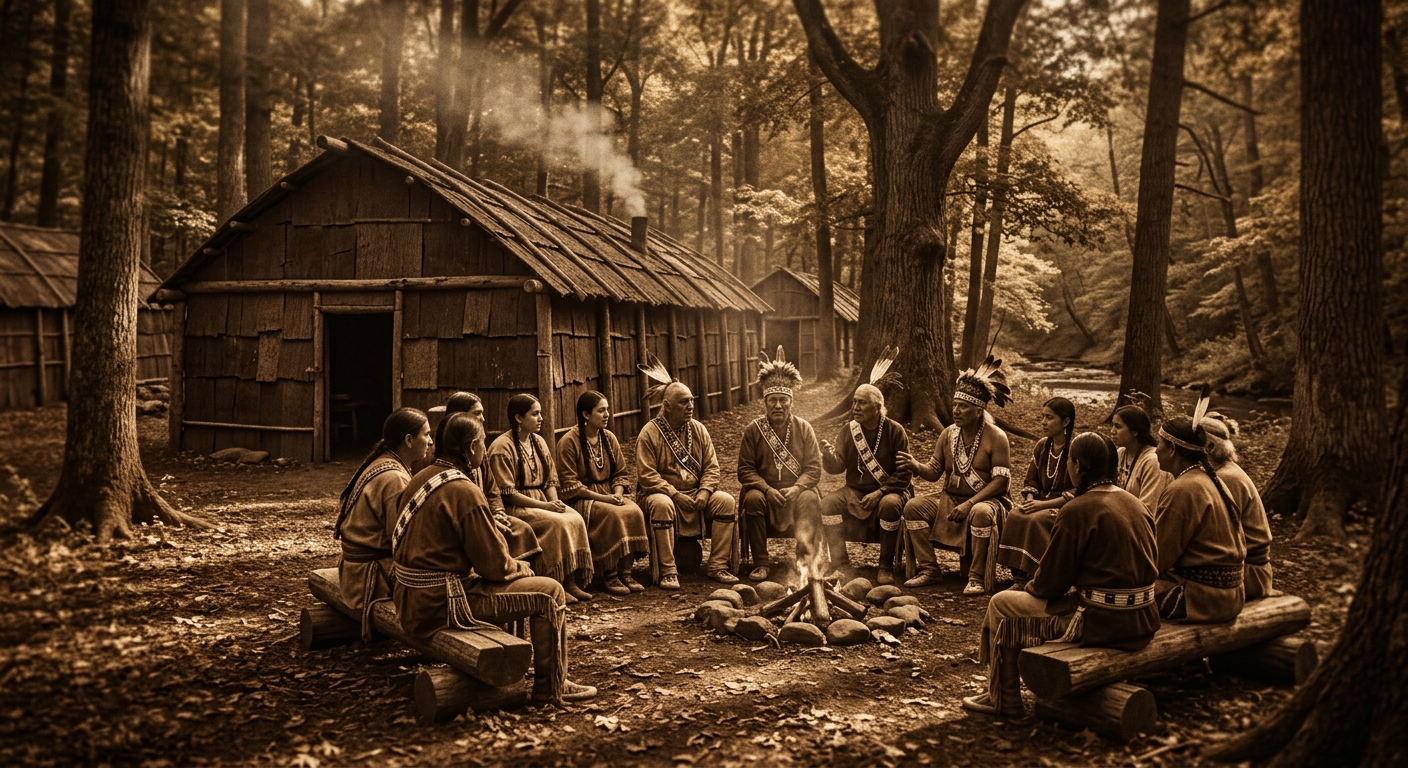
The Haudenosaunee Confederacy — one of the world's first democratic federations — shaped the land and people of New York for thousands of years.

Haudenosaunee longhouse village

BEFORE 1450

The Haudenosaunee Confederacy

The Haudenosaunee (People of the Longhouse), also known as the Iroquois Confederacy, united six nations — Mohawk, Onondaga, Cayuga, Oneida, Seneca, and Tuscarora — across present-day New York State. Their confederation is considered one of history's first democratic unions.

THE GREAT LAW

The Great Law of Peace

The Haudenosaunee governed themselves through the Gayanashagowa — The Great Law of Peace — a sophisticated constitution balancing power among nations, protecting individual rights, and establishing democratic representation. Many historians believe it influenced the framers of the U.S. Constitution.

1600s–1800s

European Contact & Displacement

Dutch and English colonizers traded with and then dispossessed Indigenous peoples through a combination of treaties, warfare, and disease. Despite immense hardship, Haudenosaunee nations persist today with sovereign territory and recognized nations within New York State.

THE REVOLUTION

New York & the Revolutionary War

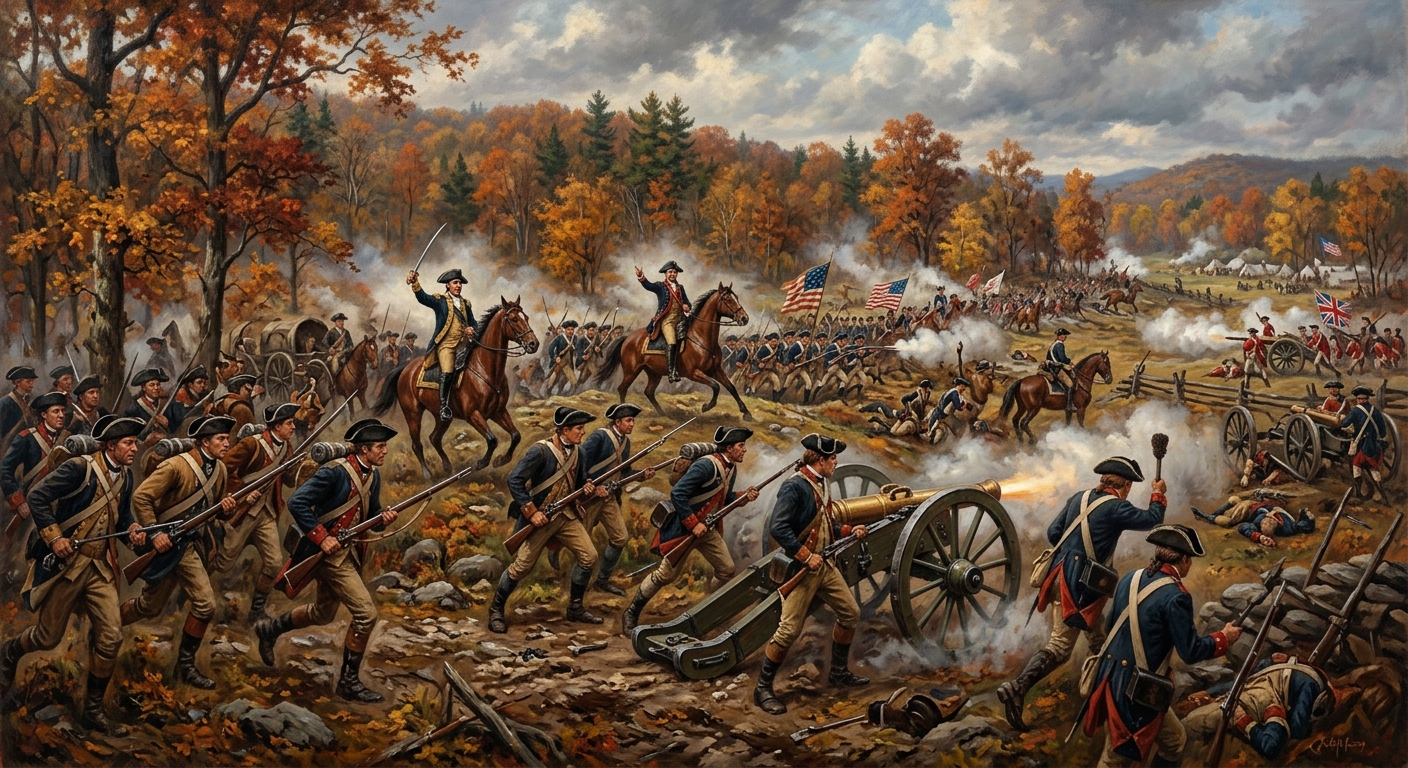
New York was the central battlefield and political heart of the American Revolution — the state that turned the tide of independence.

Battle of Saratoga

1777

Battle of Saratoga

Considered the turning point of the Revolutionary War, American forces under General Horatio Gates defeated the British at Saratoga, convincing France to enter the war as an American ally and changing the course of history.

1785–1790

America's First Capital

New York City served as the first capital of the United States under the Constitution. George Washington was inaugurated on the steps of Federal Hall on Wall Street on April 30, 1789, beginning the nation's constitutional government.

1788

NY Ratifies the Constitution

After fierce debate, New York became the 11th state to ratify the U.S. Constitution. Alexander Hamilton's Federalist Papers, written largely in New York, were crucial to building the case for ratification and remain foundational to American political philosophy.

THE CANAL AGE

The Erie Canal & New York's Rise

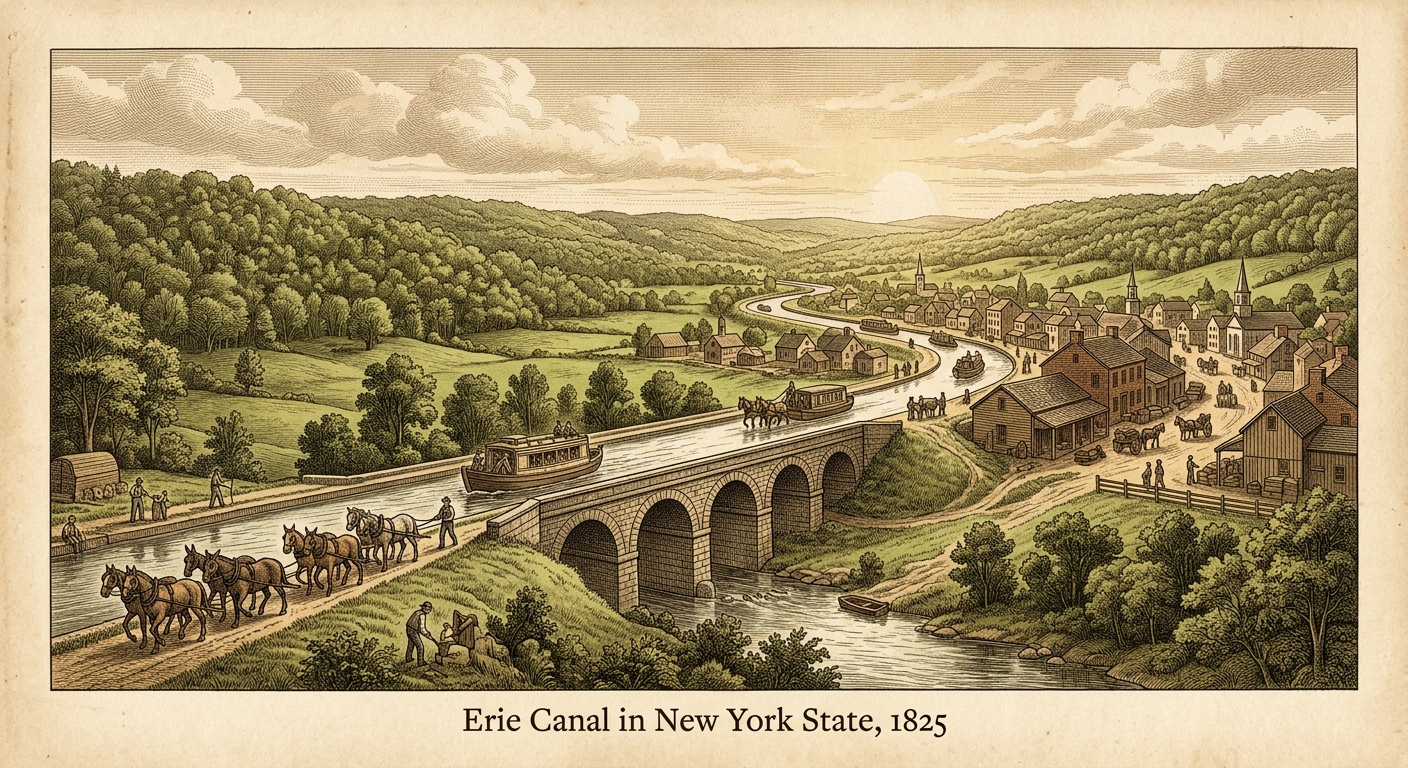
The 363-mile "Grand Canal" transformed America's economy and cemented New York's position as the nation's commercial capital.

1817–1825

Construction

Governor DeWitt Clinton championed what critics called "Clinton's Folly" — a 363-mile canal connecting Buffalo on Lake Erie to Albany on the Hudson River. Completed in 8 years using largely unskilled immigrant labor, it was a marvel of 19th-century engineering.

ECONOMIC IMPACT

Commerce & Growth

The canal slashed freight costs by 95% and travel time from 3 weeks to 8 days. It fueled explosive growth in cities like Buffalo, Rochester, Syracuse, and Utica, and made New York City the gateway to the American interior, transforming it into the nation's leading commercial port.

"The longest canal in the least time, with the least experience, for the least money, and of the greatest public utility of any other in the world."
— Governor DeWitt Clinton, 1825
Erie Canal with horse-drawn boats

New York City History

THROUGH THE AGES

Featured Historical Eras

Explore the defining chapters that shaped the greatest city on Earth.

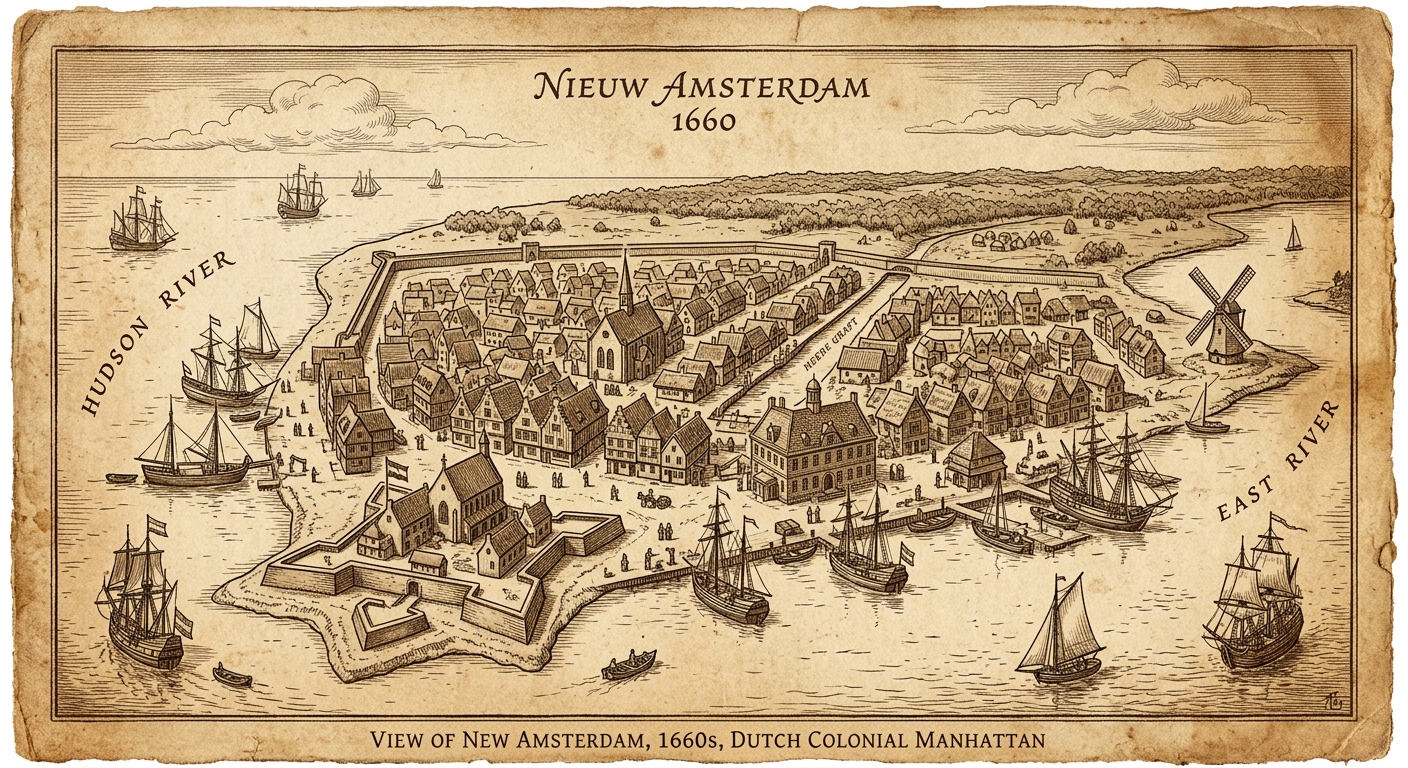
Dutch Colonial Era

1624–1664

Dutch Colonial Era

New Amsterdam, founded by the Dutch West India Company, grew from a fur-trading outpost into a bustling, multicultural port city at the tip of Manhattan.

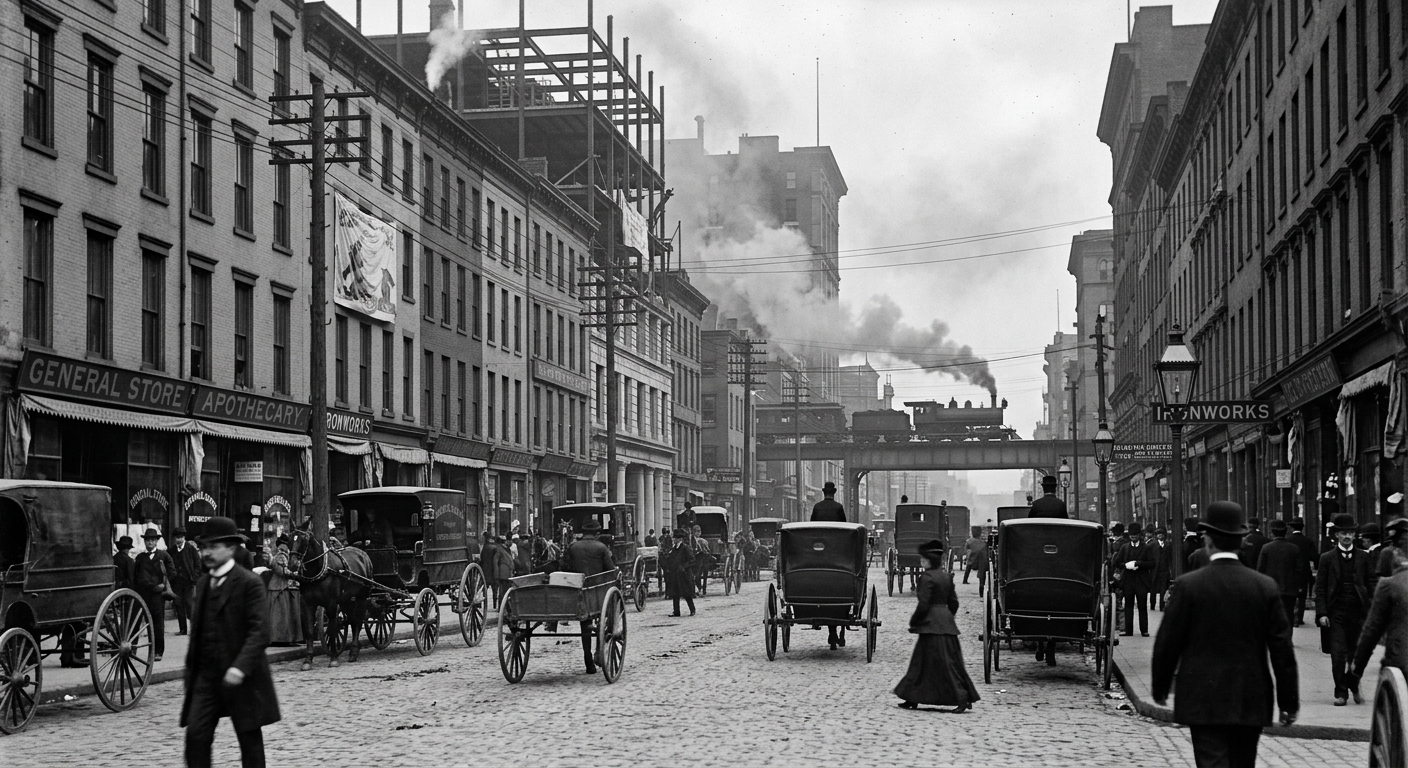
Industrial Revolution

1820–1900

Industrial Revolution

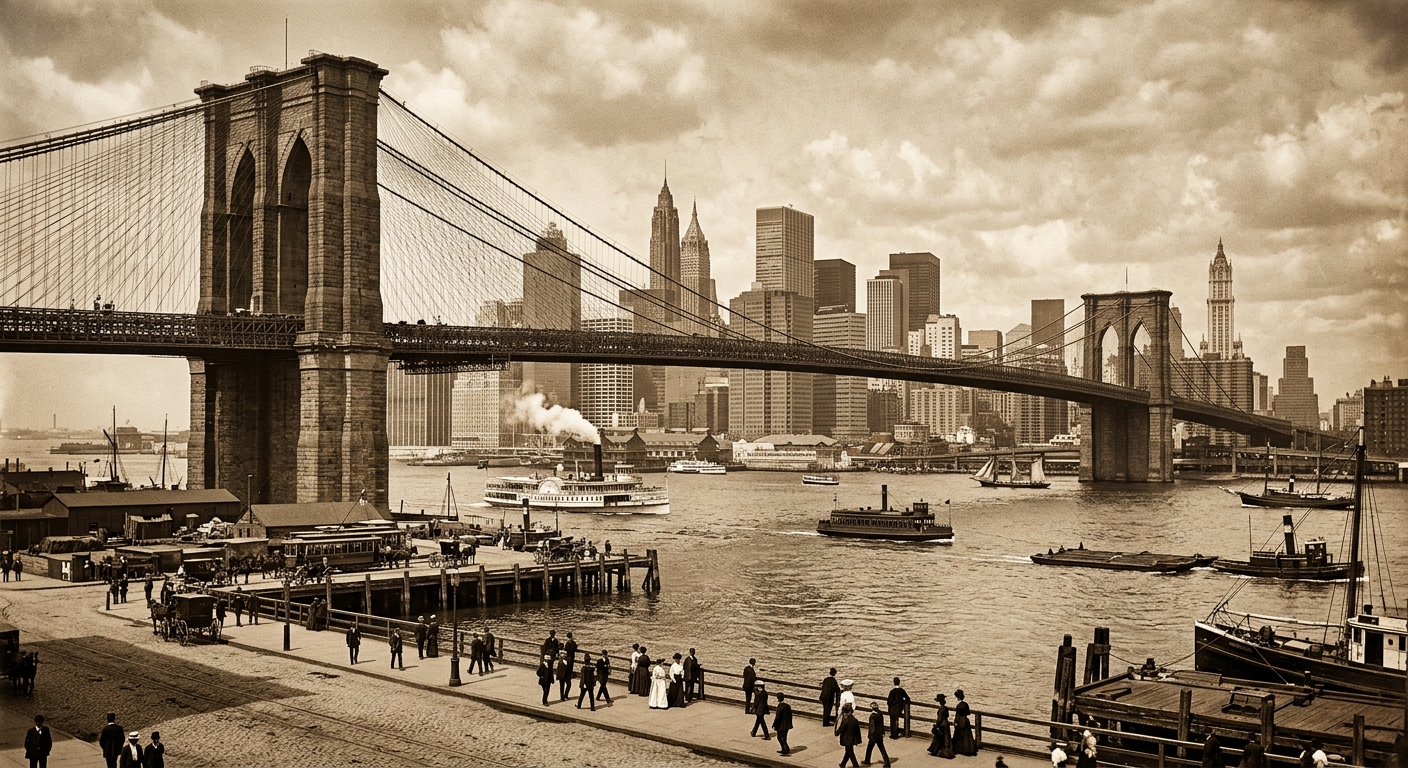
Waves of immigrants fueled New York's industrial expansion. The Brooklyn Bridge opened, the subway began, and tycoons shaped the city's legendary skyline.

The Modern Metropolis

1900–Present

The Modern Metropolis

New York emerged as the cultural, financial, and artistic capital of the world — a city of skyscrapers, jazz, civil rights, and reinvention.

ICONIC PLACES

Iconic NYC Landmarks

The monuments and spaces that have defined New York's identity across the centuries.

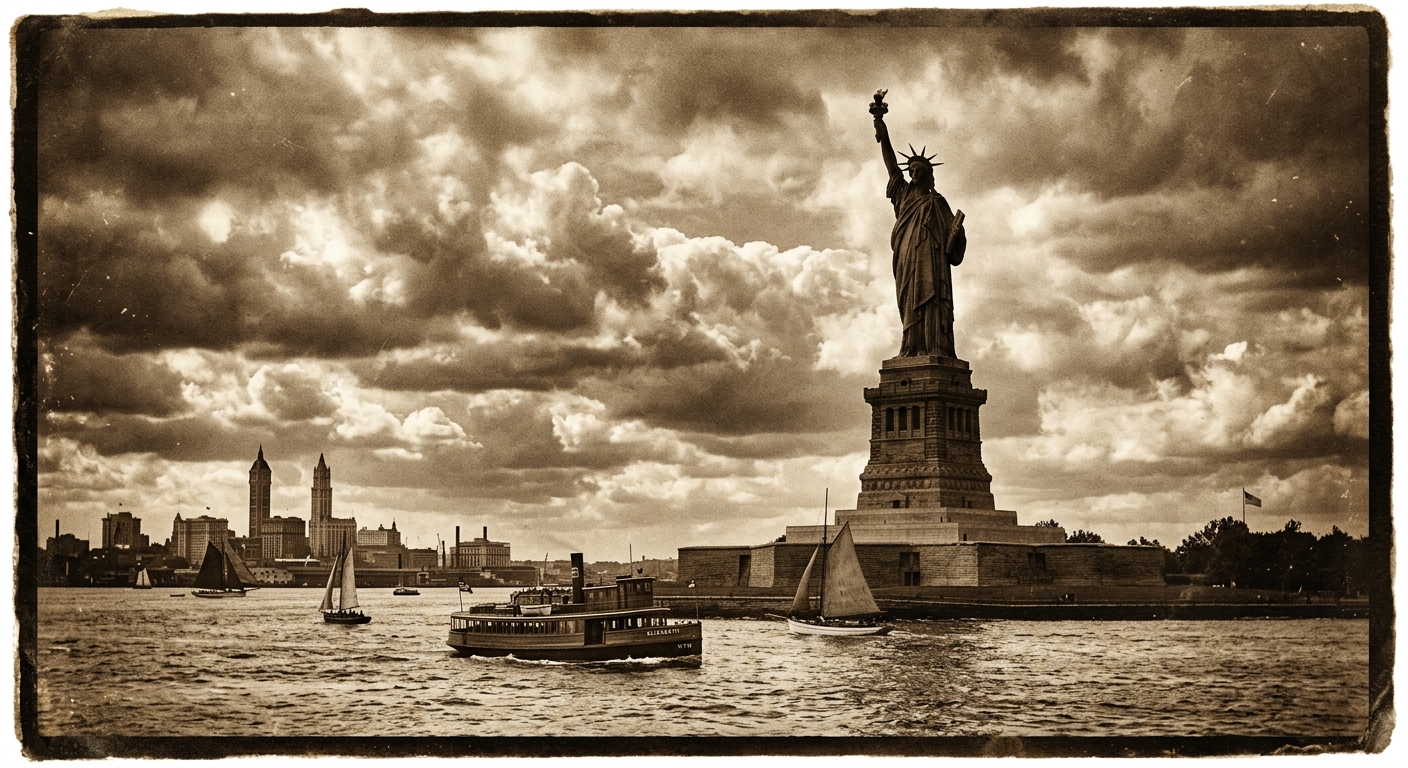
Statue of Liberty
Est. 1886

Statue of Liberty

A colossal neoclassical sculpture gifted by France, standing as the enduring symbol of freedom and democracy welcoming millions of immigrants.

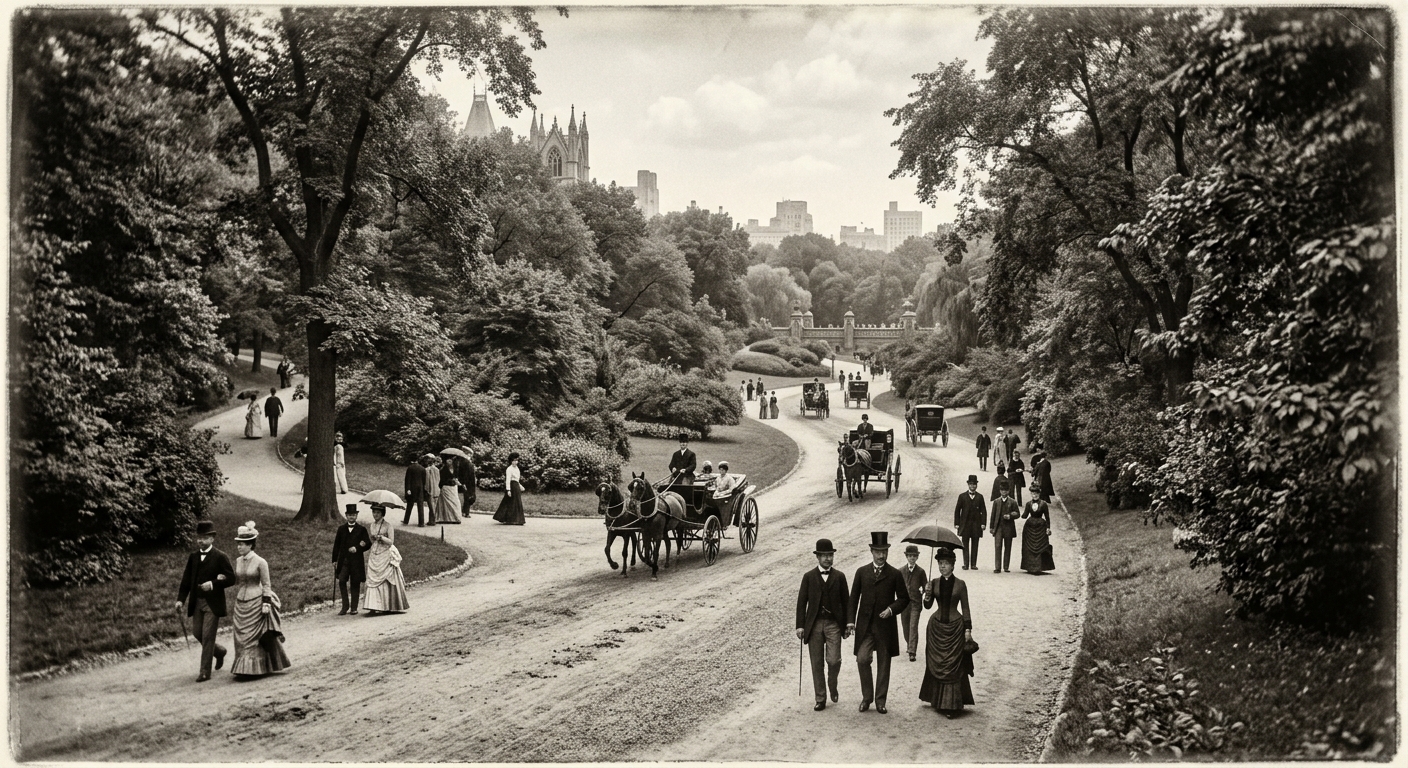
Central Park
Est. 1858

Central Park

An 843-acre urban oasis in the heart of Manhattan, designed by Frederick Law Olmsted and Calvert Vaux as a democratic pleasure ground for all New Yorkers.

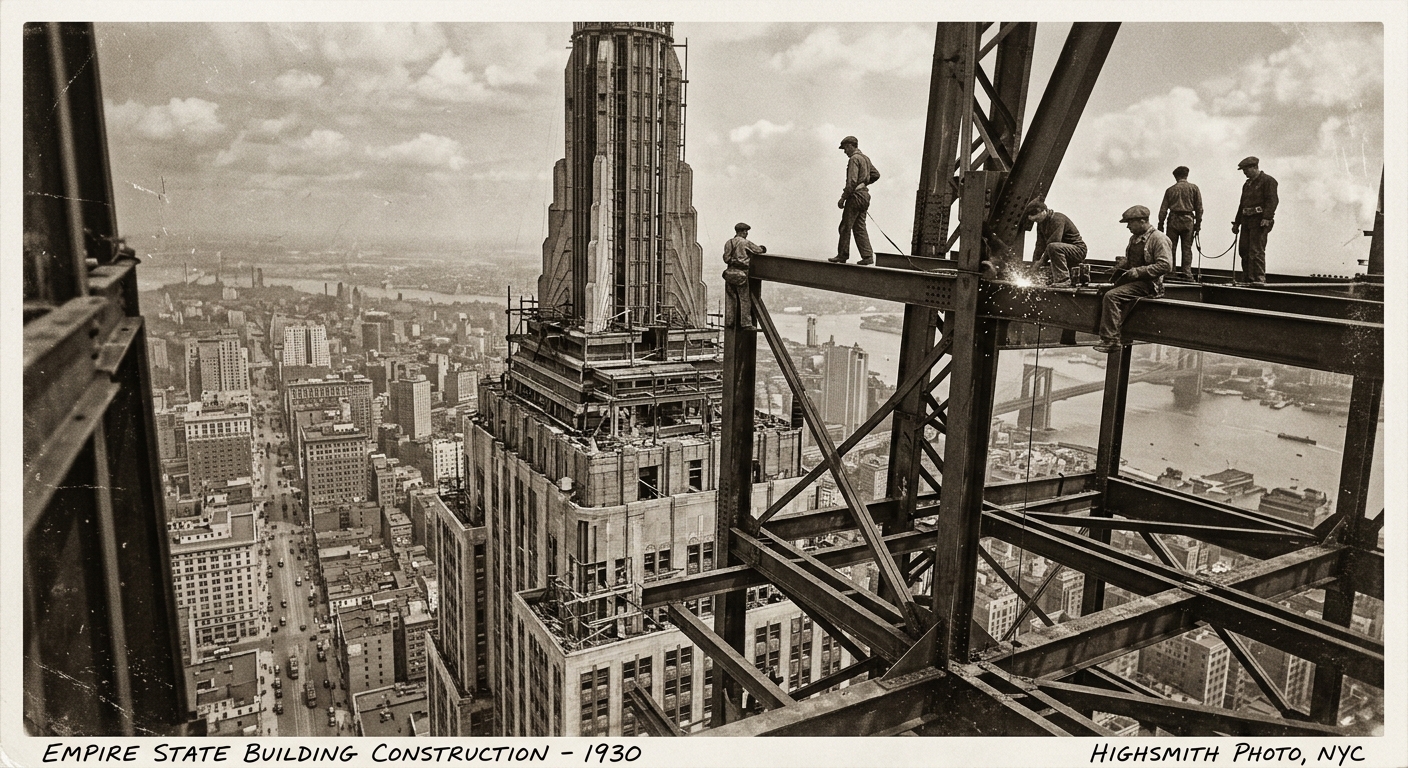
Empire State Building
Est. 1931

Empire State Building

The art deco masterpiece that defined the modern skyscraper, rising 1,454 feet and remaining an enduring icon of human ambition and architectural beauty.

Brooklyn Bridge
Est. 1883

Brooklyn Bridge

A triumph of 19th-century engineering, connecting Manhattan and Brooklyn across the East River and becoming a symbol of New York's unstoppable growth.

A NATION'S GATEWAY

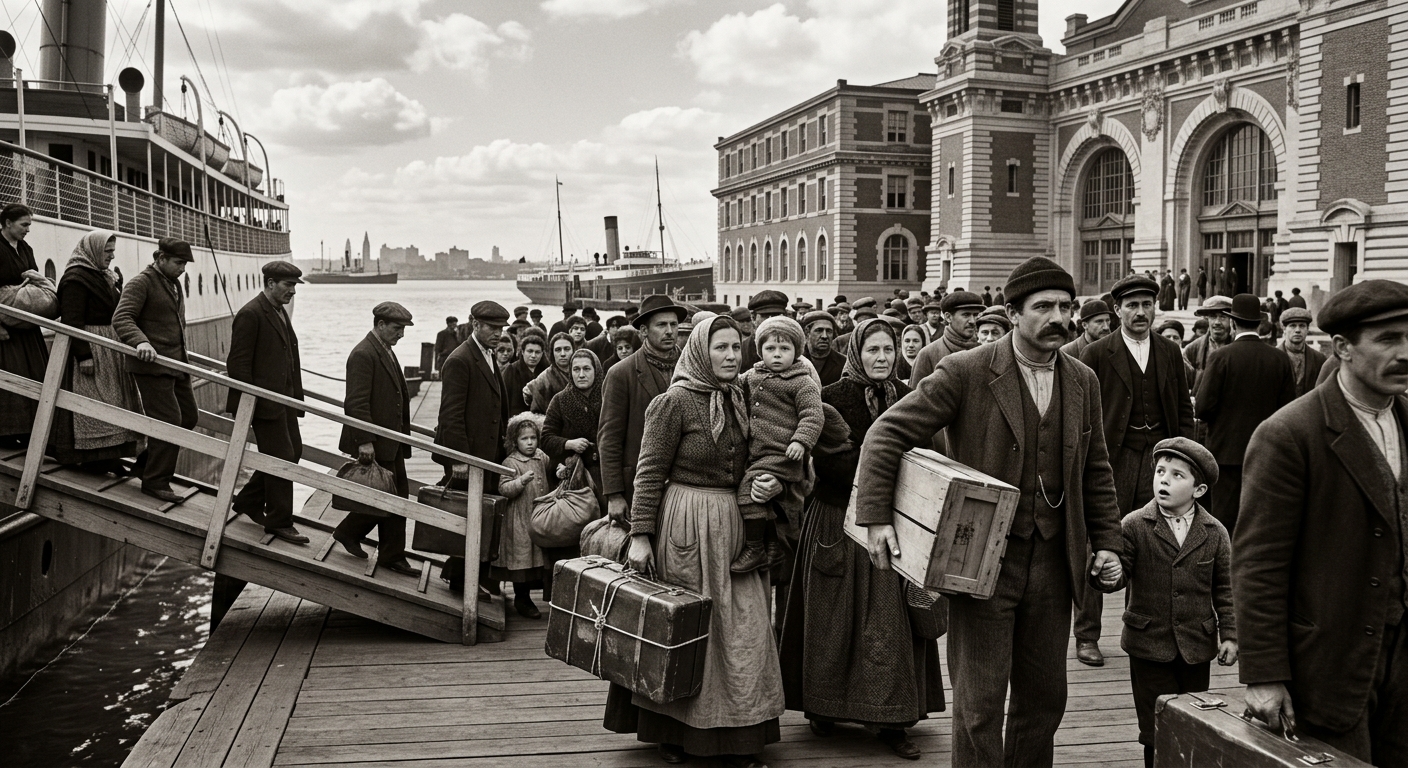
Waves of Immigration

New York became the gateway of the American dream, processing millions of immigrants who transformed the state and the nation.

Ellis Island immigration
"Give me your tired, your poor, your huddled masses yearning to breathe free."
— Emma Lazarus, The New Colossus (1883), inscribed at the Statue of Liberty
1845
Irish Famine Migration

Over 1 million Irish fled the Great Famine, transforming New York into a city of immigrants. The Irish built the Erie Canal, the Brooklyn Bridge, and the political machine of Tammany Hall.

12M
Ellis Island Arrivals

Between 1892 and 1954, Ellis Island processed over 12 million immigrants from Europe. The peak year was 1907, when 1.3 million people passed through its Great Hall.

1880s
Southern & Eastern Europe

Italians, Eastern European Jews, Poles, and Greeks arrived in massive numbers, settling in distinct neighborhoods — Little Italy, the Lower East Side, Harlem — each contributing a unique cultural identity.

1940s
Puerto Rican Migration

After WWII, Puerto Rican migrants established vibrant communities in East Harlem (El Barrio) and the South Bronx, shaping New York's music, food, and culture through salsa, bodegas, and political activism.

MILESTONES

Historical Timeline

Key moments that forged the character and destiny of New York State and City.

Before 1450

Indigenous

Haudenosaunee Confederacy Forms

The six Iroquois nations unite under the Great Law of Peace, forming one of the world's earliest democratic confederacies in present-day New York.

1624

Founding

New Amsterdam Founded

Dutch settlers establish a trading post at the southern tip of Manhattan island, beginning European colonization.

1776

Revolution

Battle of Brooklyn

New York becomes the site of a critical early Revolutionary War battle; the British occupy the city for seven years.

1777

Revolution

Battle of Saratoga

The decisive American victory at Saratoga convinces France to ally with the colonies, turning the tide of the Revolutionary War.

1825

Commerce

Erie Canal Opens

The 363-mile canal connects the Great Lakes to the Hudson River, making NYC the nation's premier commercial hub and sparking Upstate New York's growth.

1883

Architecture

Brooklyn Bridge Opens

The world's longest suspension bridge opens, linking Manhattan and Brooklyn for the first time.

1892

Immigration

Ellis Island Opens

The federal immigration station at Ellis Island opens, processing over 12 million immigrants over the next 62 years and transforming the American population.

1904

Transit

First Subway Line

New York City's first underground rapid transit line opens, revolutionizing urban transportation.

1931

Architecture

Empire State Building

The world's tallest building opens, a symbol of resilience during the Great Depression.

2001

Modern

September 11 Attacks

A defining tragedy that united New York and the world; the city rebuilt and emerged stronger.

NOTABLE FIGURES

People & Events

The visionaries, builders, reformers, and renegades who made New York what it is.

P

Peter Stuyvesant

Last Dutch Governor · 1647–1664

The iron-willed director-general who expanded New Amsterdam's infrastructure and set boundaries that still influence Manhattan's street grid.

A

Alexander Hamilton

Founding Father & Statesman · 1755–1804

Born in the Caribbean, Hamilton rose to become America's first Secretary of the Treasury, founding the Bank of New York and shaping the nation's financial system.

B

Boss Tweed

Tammany Hall Leader · 1823–1878

The notorious political boss whose corrupt Tammany Hall machine dominated city politics for decades, funding both civic works and personal enrichment.

F

Fiorello La Guardia

Mayor of New York City · 1934–1945

The 'Little Flower' transformed city government, modernized infrastructure, and battled corruption while guiding New York through the Depression and World War II.

J

Jane Jacobs

Urban Activist & Author · 1916–2006

Her landmark book 'The Death and Life of Great American Cities' changed urban planning forever, and she successfully fought to save Greenwich Village from the highway.

R

Robert Moses

Master Builder · 1888–1981

The powerful parks commissioner and urban planner who built bridges, highways, parks, and housing projects that fundamentally reshaped the modern city.